

From One Department to All: Why ProMedEx Is Migrating HR, CRM, and Admin Workflows to Ragic
| Company Name | Professional Medical Expertise, Co. (ProMedEx) |
| Industry | Healthcare/ Medical |
| Benefits of Implementation | |
| Applications | Administration/ Regulatory, Legal, and Compliance/ Expense tracking/ HRM/ CRM (future development) |
| Subscription Plan | Concurrent 20 |
| Scale of Use | 250+ internal users |
| Frequency of Use | Everyday |
From serving as just one department’s tracker tool to becoming a company-wide system, discover how the employees at ProMedEx decided to migrate their HR, CRM, and Administrative systems to Ragic— What they do, the challenges they faced, and the solutions that gained widespread attention within the company.
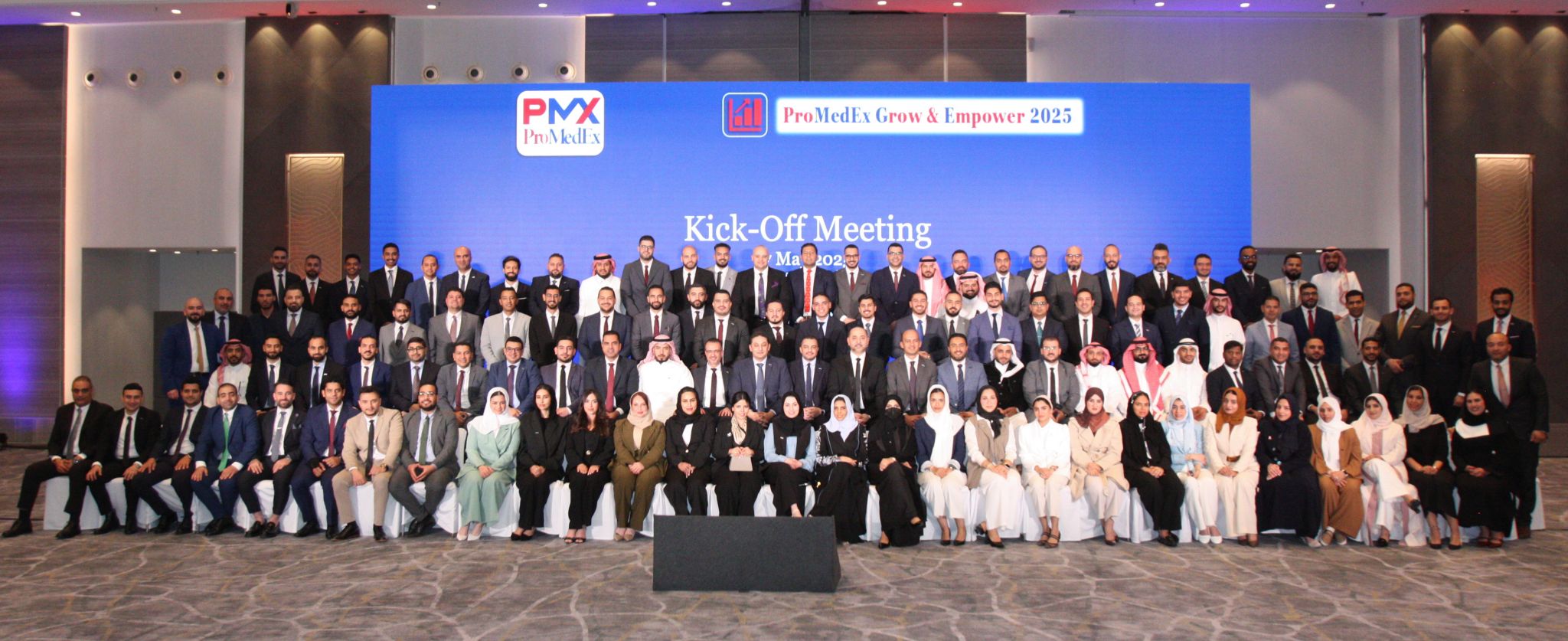
ProMedEx during their 2025 cycle meeting at Barcelona
Who is ProMedEx?
Founded in 2010 by two partners— Mohammed, whom we had the pleasure of speaking with, and Dr. Amr Abou Elamayem, now the company’s CEO— ProMedEx began with a partnership with MTF, the world’s largest human tissue bank. The company quickly established itself in the field of high-tech surgical medical devices and went public in 2023.
Building on their success in Saudi Arabia, ProMedEx expanded into the UAE, where they focus on dental equipment and are exploring opportunities to broaden their portfolio to include surgical equipment as well. Today, ProMedEx has grown to over 250 employees, generating nearly $100 million USD in annual revenue, and stands as one of Saudi Arabia’s leading medical device distributors, serving hundreds of large clinics, hospitals, and individual customers across 2 countries.
What sets ProMedEx apart from other medical device distributors? Unlike most in the industry, they don’t stop at delivering products; they deliver complete solutions. A number of team members are trained to assist surgeons directly in the operating rooms, providing technical support and on-the-spot problem solving during procedures. This hands-on approach is reinforced by a culture of strong cross-departmental collaboration and a shared vision. Every employee takes ownership of their work, embracing a deep sense of responsibility and accountability in serving hospitals and clients.
The Challenge: It Started from One Department’s Struggles
It all began when Mohammed started noticing growing bottlenecks and inefficiencies across his teams. As the person overseeing administration, compliance, regulatory, and legal departments, he understood better than anyone the importance of seamless, well-coordinated workflows. Managing multiple responsibilities left little room for delays—and the cracks in their existing systems were starting to show.
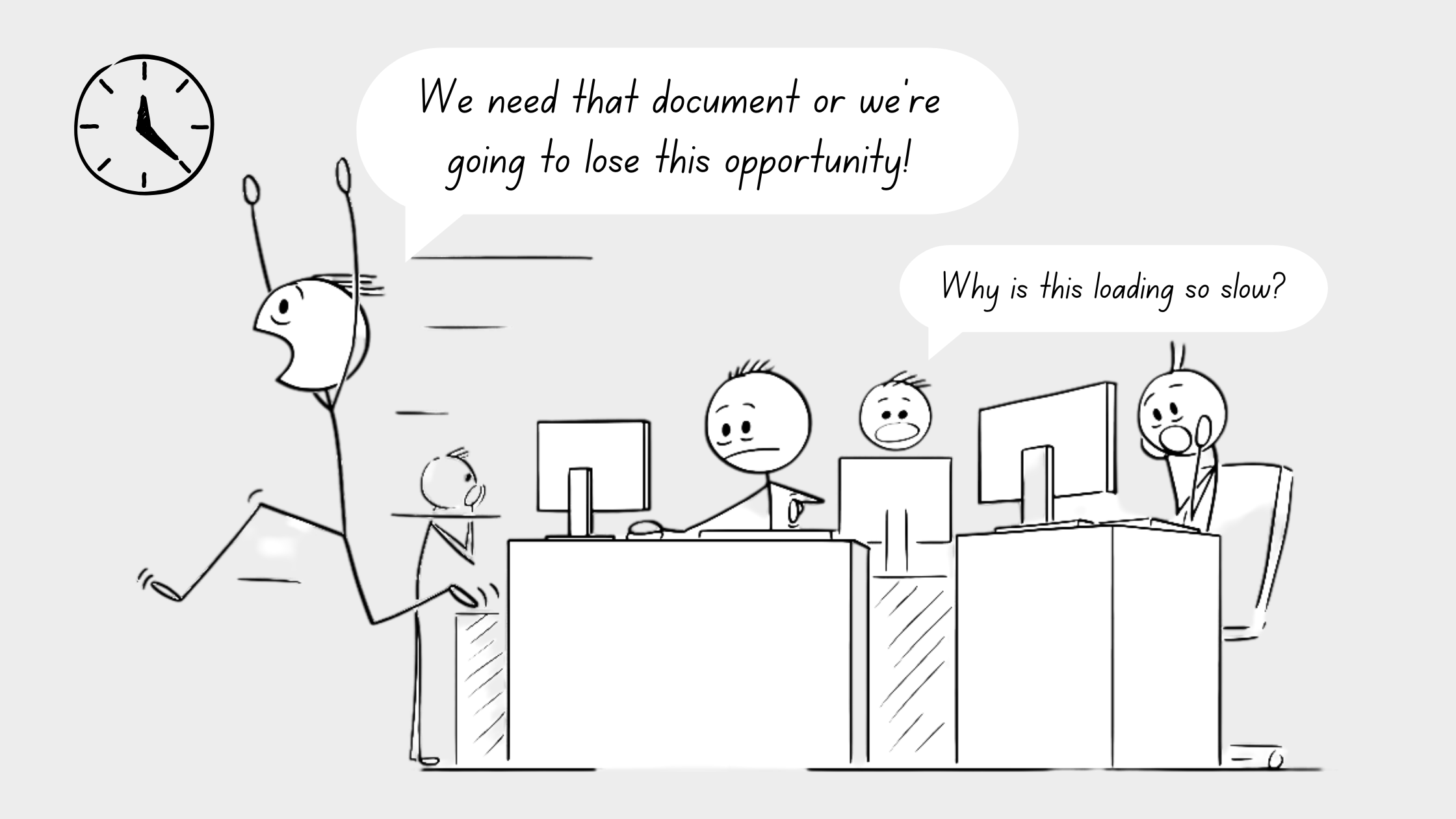
Like many growing businesses, ProMedEx initially relied on Microsoft Excel spreadsheets to manage their data. While this worked in early stages, it soon became evident that Excel wasn’t built to handle the company’s expanding volume of data. During the COVID-19 pandemic, the limitations became impossible to ignore; each data search took at least 3 to 4 minutes to load on every device, severely slowing down daily operations.
Another major challenge was manual workflows that hindered timeliness. Without an efficient document-sharing system in place, sales personnel who need specific documents such as licenses, certifications, or permits for tender projects had to send email to designated team members and wait for their response, which can be unpredictable in terms of timeliness. If those team members couldn’t provide the documents promptly, the company risked losing tender opportunities altogether.
The very tools that were supposed to drive productivity— Excel and email— turned into bottlenecks for efficiency. That’s when ProMedEx started looking for a more robust, scalable solution. After 10 days of research, Mohammed chose to give Ragic a try for his department, and that decision changed everything.
The Solution and its Ripple Effect
Determined to improve his departments’ bottlenecks and inefficiencies, Mohammed spent about 2 months to find the best configuration on Ragic to ensure the most seamless workflows for his team members.
As a true database, Ragic is built to handle large volumes of data without any lag. Mohammed designed a system where all legal, compliance, and regulatory documents are stored and easily searchable by team members. This allows sales personnel to find and download the documents they need instantly, without having to wait for email responses— ensuring they can respond promptly to tender opportunities and increasing their chances of closing more deals.
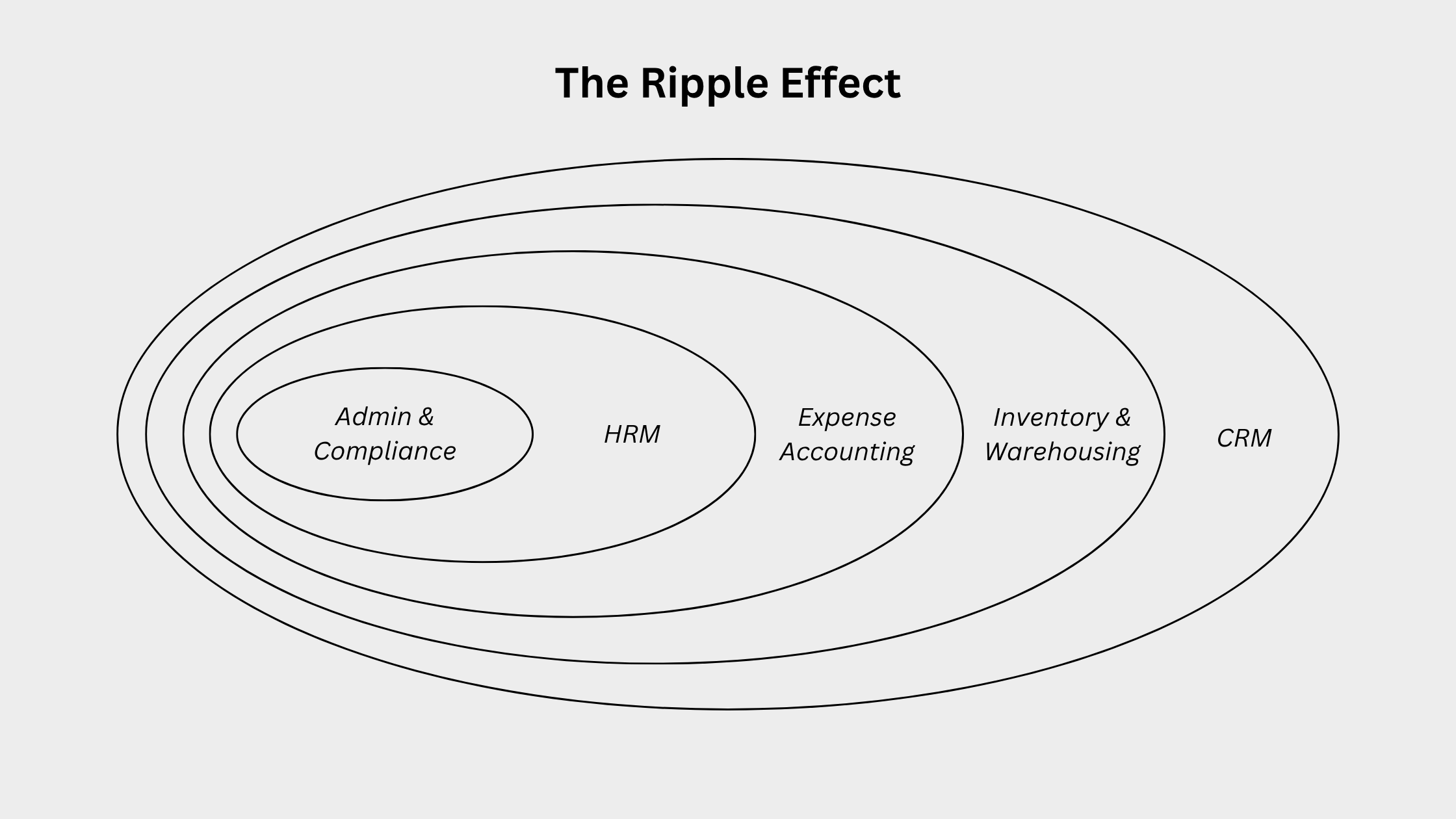
When other departments saw what Mohammed had accomplished in his department by designing a more flexible workflow, they too began asking questions about how Ragic could address their own challenges. For one, the HR team found that Ragic offered more flexible approval systems compared to their rigid HRM system, which convinced them to build HR-related modules on Ragic. They are set to fully migrate their current HRM system to Ragic at the beginning of 2026. Similarly, the CRM system is scheduled to transition to Ragic by the end of 2026, once their existing contract expires. Even the accounting department, who continues to rely on their ERP, Hansaworld, has found ways to leverage Ragic through expense management modules that streamline workflows.
Now, let’s dive into some of the modules and workflows they have built on Ragic!
Workflow 1: Flexible approval systems
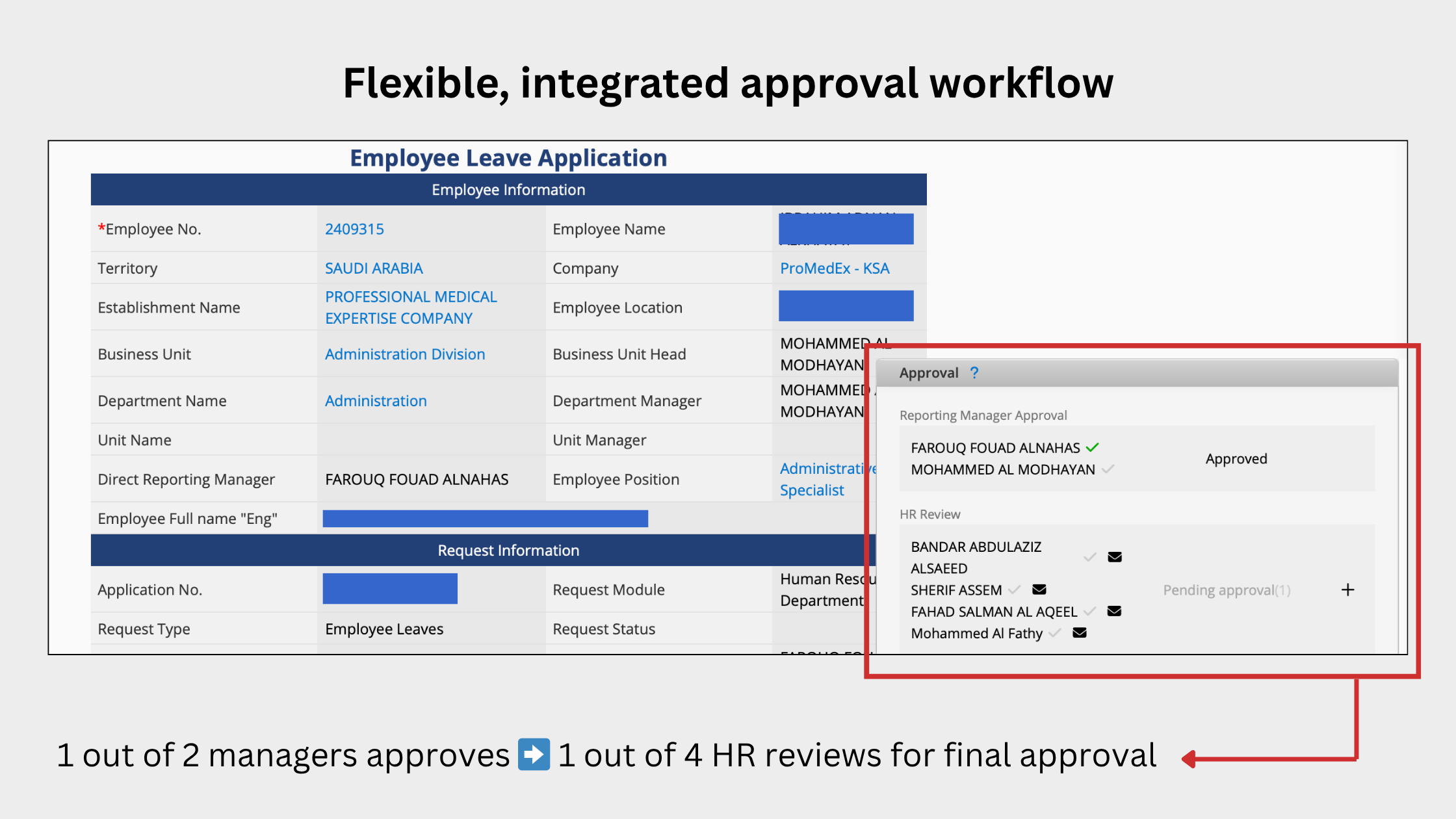
During our conversation with Mohammed, he highlighted how much he values Ragic’s integrated approval feature, particularly its flexibility in allowing multiple designated approvers. This function proves especially useful when an approver is on leave or temporarily unavailable.
For example, in ProMedEx’s HR module on Ragic, the Employee Leaves sheet is configured so that the first approval can be made by either the employee’s direct supervisor or the department manager, where only 1 approval is required at this stage. Once approved, the form automatically routes to the HR department, where any of 4 HR personnel can complete the final approval.
This setup ensures that workflow continuity is never interrupted. If a supervisor is away, the department manager can approve the request and forward it to HR without delay. Their old HRM system could not offer this level of flexibility, and it is one of the main reasons the team chose to move their HR modules to Ragic.
Workflow 2: Complementing ERP workflows
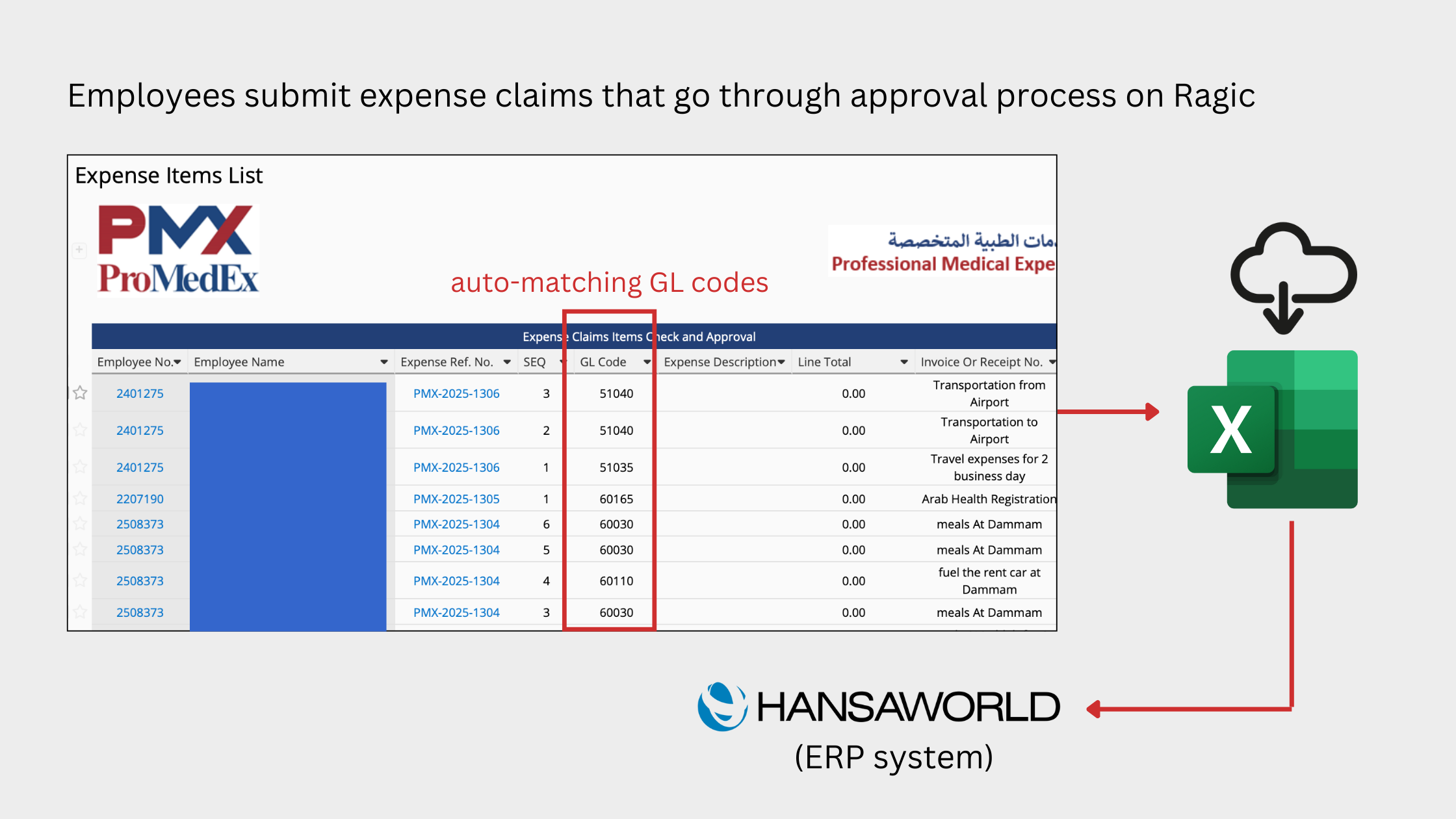
ProMedEx’s accounting and finance team has found Ragic to be instrumental in managing expense claims by simply connecting 2 sheets together with drag-and-drop. When employees submit claims through Ragic’s user-friendly interface, attach receipts, and select the appropriate categories, the system automatically maps the respective General Ledger (GL) codes. The claims are then routed through the approval process. Once approved, the accounting team downloads the data from Ragic in just a few mouse clicks and uploads them directly into their ERP system, Hansaworld.
Even though Hansaworld can technically handle GL mapping and approvals, the process is more complex as it involves multi-step rules and jargon. On the other hand, Ragic provides intuitive drag-and-drop, builder interfaces that make it easier for non-technical users to quickly grasp and design what they need. This adds a layer of flexibility and efficiency that the ERP alone cannot provide. With Ragic, ProMedEx can now easily design custom workflows and forms tailored to departmental needs that would otherwise be cumbersome to set up on Hansaworld. What used to take hours can now be completed in just a minute.
Employees also benefit from a more intuitive interface, making it easy to submit claims quickly and accurately. By handling approvals and validations upfront, Ragic complements their ERP system by acting as a data preparation layer. It speeds up expense claim workflows by handling data collection, GL mapping, and approvals in one place.
Workflow 3: One dashboard, multiple versions
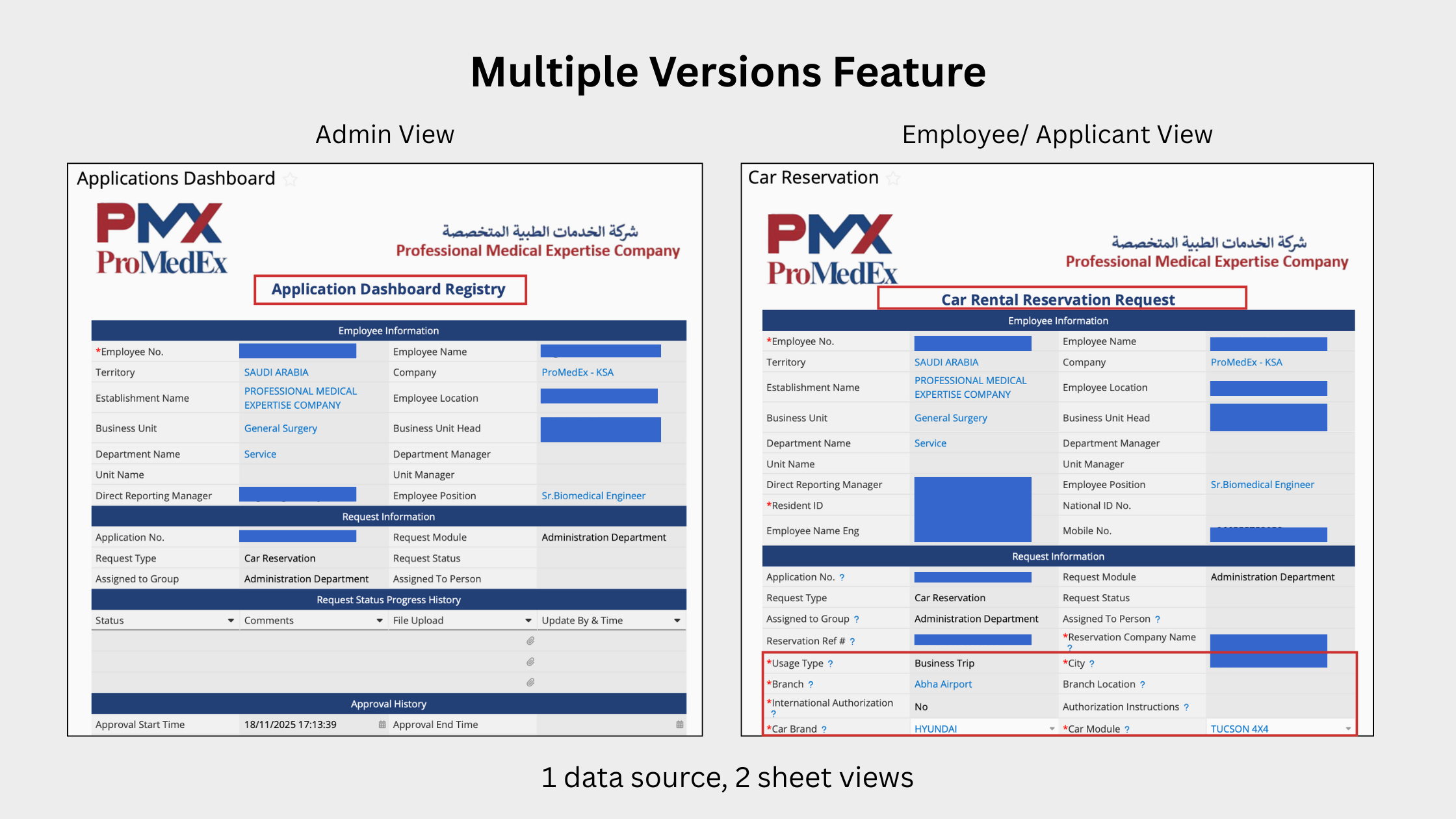
Ragic’s multiple versions feature was designed to enable businesses to create different versions of the same sheet, using the same underlying data source, but tailored for different user groups with customized views and layouts. This makes it easy to control which users see which information. ProMedEx leveraged this feature and dashboard widgets by designing an “Application Dashboard Registry” and using multiple versions to build a wide range of application forms, including employee leave requests, car reservations, vendor account openings, advance salary requests, and more than 50 other types of forms.
The main sheet, “Application Dashboard Registry,” stores core information such as the employee submitting the request, the type of request, and the approval history. On the other hand, each version of the application form includes additional fields specific to that type of request. For instance, the “Car Reservation Request” form contains fields for car details, date, time, city, and intended usage. When one employee submits a new car reservation request, and another employee submits a new employee leave, they will both automatically sync with the “Application Dashboard Registry” sheet.
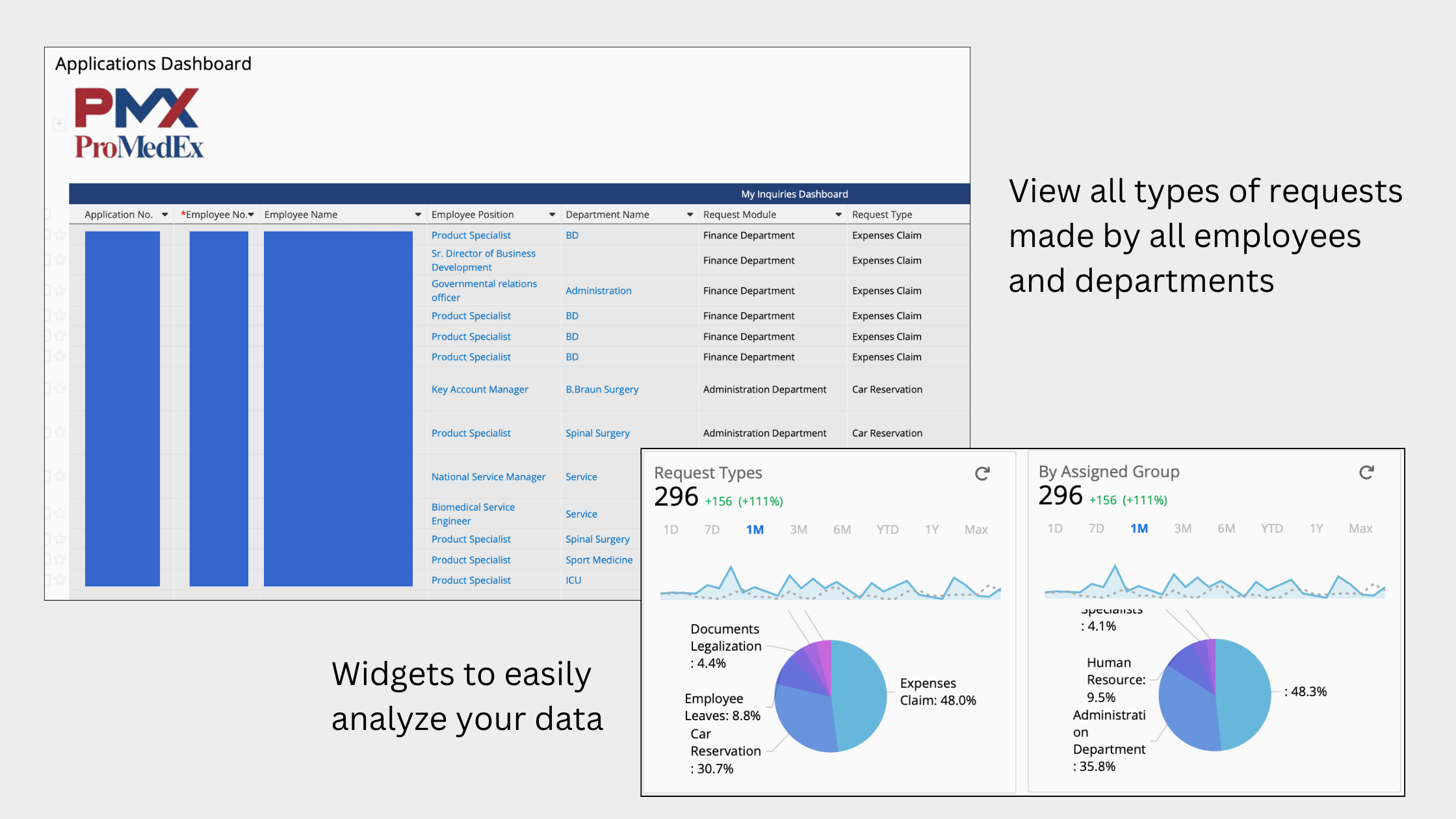
This way, the administrative team can easily track what types of requests are being submitted the most, which departments are submitting them, as well as the progress and status of approvals. This gives the team full visibility, making it easier to keep data organized and ensure every request is tracked efficiently.
Other Workflows
In addition to the three workflows mentioned above, ProMedEx has implemented numerous other processes using Ragic. For instance, they use Ragic’s reminder feature to notify team members whenever new certificates, licenses, or permits are added to the database. By using Ragic’s built-in reporting features, members are also able to get a clear overview of all pending approvals. On top of that, ProMedEx integrated Ragic with Google Looker Studio, enabling the finance department to create dynamic visualizations and reports for deeper insights.
The Resulting Tech Stack
Upon migrating their Inventory management, HRM, and CRM systems to Ragic, ProMedEx will reduce their tech stack from 4 systems to just 2— Ragic and their ERP system.
This consolidation not only reduces costs for the company but also streamlines workflows, saves time, and eliminates the friction of switching among multiple systems, creating a more connected, efficient work environment.

Employee Support
As a large organization with hundreds of employees, getting everyone onboard with a new system or changing workflows they’ve grown accustomed to is never an easy task. However, thanks to its strong internal culture and leadership, ProMedEx successfully trained every single employee to not only use Ragic but genuinely enjoy working with it. Here’s how they made it happen:
Detailed guidelines. For every workflow built on Ragic, ProMedEx created comprehensive 2-3 page guides complete with visuals, screenshots, and step-by-step instructions. These documents made it easy for employees to learn the system independently and build confidence in using it.
Intensive workshops. Each week, the company hosts open Q&A sessions where employees can ask questions, share feedback, and discuss anything related to Ragic workflows. Mohammed and other key team members attend these sessions to address concerns directly. Soon, these sessions will transition from weekly to biweekly as employees become more proficient with the system.
Thoughtful module design. Ultimately, a well-designed system speaks for itself. Once employees experienced how Ragic reduced bottlenecks and simplified their day-to-day work, adoption came naturally. While ProMedEx formally enforced the shift to Ragic, enthusiasm quickly followed. Employees embraced it because it genuinely made their jobs easier.
The Results
From waiting 3 to 4 minutes for a single Excel file and dealing with endless email bottlenecks, employees at ProMedEx now enjoy full control over their documentation and workflows. Information is retrieved in seconds, expense submissions are frictionless, and approvals flow smoothly. Tasks that took hours to complete can now be done in minutes.
What began as a solution for one department has since sparked a company-wide transformation. As other teams witnessed the impact, they too adopted Ragic— proof of its flexibility and adaptability. Ragic isn’t just another no-code database platform; it is a system built with modular building blocks— like digital LEGO® pieces— that let businesses easily design intuitive systems tailored to their exact needs via simple drag and drop.
That’s how Ragic evolved from solving one department’s challenge to powering the entire company.
Is Ragic the right solution for you?
Category: Case Studies > Energy and Utilities